
Haifa
Haifa is Israel’s third-largest city, beautifully set on the slopes of Mount Carmel facing the Mediterranean Sea. There are a number of great things to do, including the Bahai Gardens, German Colony, as well as a number of top museums. The city is part of Israel’s so-called “Silicon Wadi”. High-tech companies around the Matam technology park, where Google, Apple and IBM have offices. Popular among English speaking olim are the neighborhoods of Ahuzza, Upper Hadar and Neve Shaanan. Ahuzza areas are fairly affluent neighborhoods and are home to both religious and secular communities. Near to Haifa University, makes this area desirable to international students and expats who make this neighborhood their home. The Upper Hadar is situated halfway between The Central Carmel neighborhood and the Hadar shopping district. Property prices are lower and all major bus routes, the Carmelit route and in close walking distance to shopping, this is an ideal location if you do not have your own car. The Upper Hadar offers wonderful views of Haifa Port, the bay and Galilee. Neve Shaanan is a large residential and commercial center with a selection of suburban shops, supermarkets and restaurants. This area is a very popular choice for English speaking, young immigrant, observant Jewish couples. Join Devorah Benarroch from KIm Bash Real Estate to meet some Anglo’s who are now living in Haifa, Israel. Community & Real Estate information, by Kim Bash
Jerusalem
Jerusalem, city of Gold is the MOST talked about city in the world! The capital of Israel, the “City of Peace”, One can find all types of people it’s a melting pot of people, from the Jewish Quarter of the Old City to trendy Katamon and Baka, suburban Har Nof and Pisgat Zeev, and eclectic Nachlaot, Jerusalem has something for everyone. The diverse community and lifestyle options mean that you can find everything from a home in a quiet residential street to an apartment that’s right in the middle of busy, city life. Whatever neighborhood you choose, you are sure to be surrounded by fascinating sights, interesting people and all of the amenities of any modern city. Meet the Anglo’s who are now living in Jerusalem, Israel
Be’er Sheva
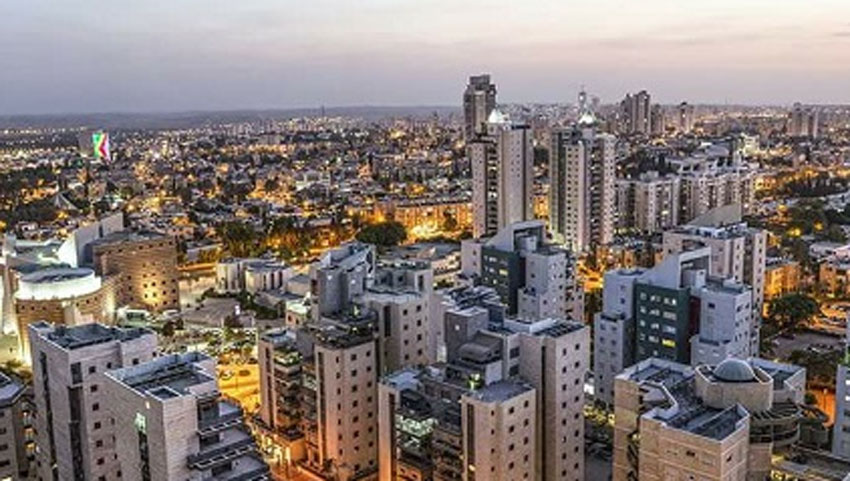
Be’er Sheva is Israel’s fourth-most populated city located in the south near the Negev Desert. The city is a mix of Sephardi, Mizrahi, and Ashkenazi families as well as diverse population of Jews from India, Russia, Ethiopia and now the United States. The game of chess is very popular in Be’er Sheva so much that it’s become Israel’s national chess center, with more chess grandmasters per capita than any other city in the world. Be’er Sheva is also home to Ben-Gurion University of the Negev. This city also serves as a center for Israel’s high-tech and developing technology industry. There is a lot of new construction, schools, shuls of all kinds, modern shopping centers, and walking paths, with low cost housing options.
Zichron Yaakov
Zichron Yaakov is located upon Mount Carmel, with magnificent views across the Coastal Plain to the Mediterranean. It is a tranquil town, offering breathtaking views across Israel’s Mediterranean Coast and beyond. Zichron’s main street, known as Midrahov, is now a pedestrianized zone lined with cafes and boutique artistic stores. Being the original street of the settlement, many of the houses are of great historic value and have plaques outside that tell the story. Zichron Yaakov is also home to the Carmel, Tishbi and Binyamina wineries who also have visitor centers, which bring lots of tourists during ”normal” times. Besides beautiful homes, Zichron also has wonderful neighborhoods, good schools, shuls, and proximity to places of employment. Zichron has a vibrant community with a healthy diverse mix of people. Olim feel a sense of fitting in the community almost immediately upon arrival. There is also a Haredi community split into two areas, Hazon Ish and Ramat Tzvi, which both have English-speaking families.
Netanya
Are you an Oleh or perhaps for looking for a new community in Israel? Let’s talk about Netanya, City Center – for everyone who loves the City & the sea – Netanya could be your next community! Netanya is the largest city in the Sharon area and one of the most beautiful, is a desirable tourist city, rightfully known as “The Israeli Riviera”. Offering green parks and nature reserves, one of the most advanced sports stadiums in Europe, Museums, galleries and a wide range of cultural events. A magnificent 14-km coastal strip boasting 10 well-kept and attractive beaches. The famous “Winter Puddle,” a rare 74-acre nature reserve in an urban landscape. The green and open Iris Reserve, all these make Netanya an attractive real estate and tourist city where its residents enjoy an endless vacation atmosphere. Come and hear what the locals have to say about living in Netanya and learn about an exciting new real estate project – Savyon City, the new luxury tower from famed developers Africa Israel Residence!
Carmei Gat
In just a few years, Carmei Gat has become the fastest growing young community for Anglos in Israel. The varied housing options, beautiful spacious environment, cutting-edge new amenities, excellent education, diverse residents and above all, the welcoming community, position Carmei Gat as an unparalleled option for those looking for a new a place to call home. One hour from Jerusalem and 40 Minutes from Tel Aviv with affordable housing, makes Carmei Gat a great place to check out! Join Kim Bash Real Estate and meet Anglo’s living in Carmei Gat and see some exciting new real estate opportunities.