

Israel Just Made It Easier to Build Solar Panels on Farmland
The Knesset has approved a one year exemption from land appreciation tax for agro-voltaic projects, meaning solar panels installed above agricultural land. The vote passed with zero opposition and removes one of the biggest obstacles holding back this type of project in Israel.
29/07/2026
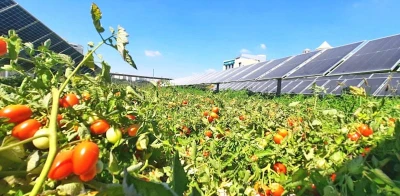
What Is Agro-Voltaic?
Agro-voltaic is a dual use approach that places solar panels above working farmland. The land keeps producing crops while simultaneously generating electricity. It sounds simple but it has been technically and legally complicated to pull off in Israel until now.
The Ministry of Energy has set a target of 5 gigawatts of electricity from agro-voltaic installations by 2035. Israel is particularly well suited for this because land is scarce, especially near the center of the country where electricity demand is highest. Using farmland for dual purposes solves two problems at once.
Who Benefits
The biggest winners are the owners of agricultural land, primarily kibbutzim and moshavim. They can now generate significant additional income from their land without giving up farming. Those located near the center of the country stand to gain the most given the push to produce electricity close to where it is consumed.
Solar energy companies, particularly those already specializing in agro-voltaic projects, also benefit. They can now partner with agricultural landowners more easily without the land appreciation tax being a dealbreaker.
The Backstory
This law actually passed a committee vote back in May but fell through the cracks when the Knesset dissolved before it could be finalized. It was then brought to a cross-party consensus committee and pushed through. The one year exemption is designed to give projects currently stuck in limbo a clear path forward.
A new national planning framework published in early 2026 already made it easier to build smaller agro-voltaic projects of up to 80 dunams, allowing them to proceed with just a building permit rather than a full planning process. That cut expected construction timelines from three to five years down to around eighteen months.
The Criticism
Not everyone is satisfied. The Green Energy Companies Association pointed out that one year is not enough time to attract serious new investors into the sector. The Israeli Climate Forum echoed that view, calling the exemption a temporary patch rather than a real policy. They are pushing for a multi year extension and a proper national strategy for the sector.
Source: Idan Eretz, Globes, July 28, 2026. Read the original article here.